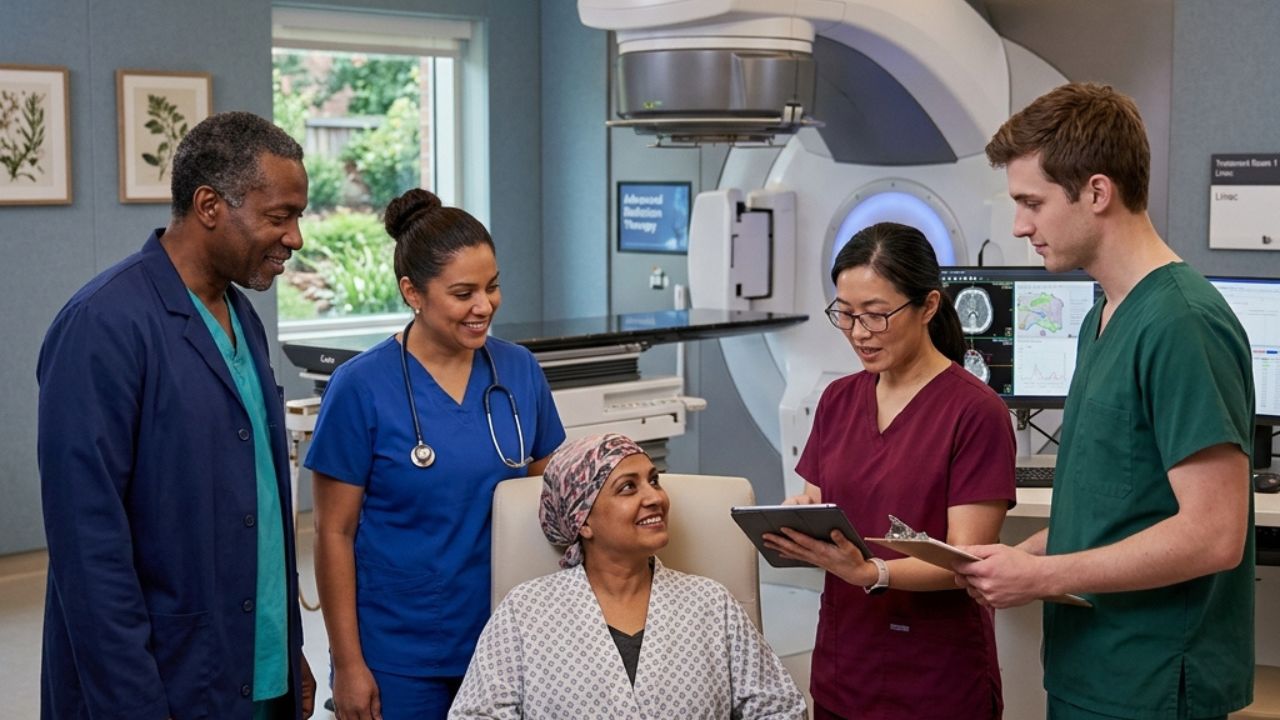
A cancer diagnosis brings a flood of questions, emotions, and decisions. Among the most critical choices you will make is deciding where to receive treatment. For many patients, radiation therapy forms a cornerstone of their treatment plan. This powerful medical intervention uses high doses of radiation to kill cancer cells and shrink tumors, offering a pathway toward remission and recovery.
Radiation therapy requires an incredible level of precision. The goal is always to maximize the impact on cancerous tissues while minimizing damage to surrounding healthy organs. Achieving this balance depends heavily on the technology available and the expertise of the medical professionals administering the care. Because of this, the facility you choose can significantly influence your overall experience and outcome.
Selecting the right hospital involves looking beyond basic geographical convenience. It requires evaluating the specialized equipment, the multidisciplinary teams, and the holistic support systems that a cancer center provides. This guide will walk you through the essential factors to consider, highlight some of the leading facilities in the United States, and provide practical advice for navigating the treatment process.
Factors to Consider When Choosing a Hospital
Finding the best environment for your radiation therapy means evaluating several crucial components. The quality of care varies widely across institutions, and understanding these differences can help you make an informed decision.
Expertise and Experience of the Medical Team
Radiation therapy is not a solo endeavor. It requires a coordinated team of specialists. Your core team typically includes a radiation oncologist, who prescribes the treatment plan, a medical physicist, who ensures the equipment delivers the exact dose required, and a dosimetrist, who calculates the precise angles and treatment times.
High-volume cancer centers tend to have teams that specialize in specific types of cancer. A radiation oncologist who focuses entirely on head and neck cancers will have a different depth of experience compared to a general oncologist. When researching hospitals, look for information about the specialized focus of their medical staff and ask how many times they have treated your specific type of cancer.
Advanced Technology and Treatment Options
The field of radiation oncology evolves rapidly. Older machines treat broader areas, which can lead to more significant side effects. Modern linear accelerators deliver highly targeted beams. You want a hospital equipped with the latest advancements.
Key technologies to look for include Intensity-Modulated Radiation Therapy (IMRT), which allows doctors to adjust the intensity of the radiation beam in multiple areas. Stereotactic Body Radiotherapy (SBRT) delivers extremely high doses to small, well-defined tumors over just a few sessions. Proton therapy, available at a select number of specialized centers, uses protons rather than x-rays to treat tumors, stopping precisely at the tumor site to spare healthy tissue behind it.
Patient-Centered Care and Support Services
Cancer treatment affects your entire life. Top-tier hospitals understand that treating the tumor is only one part of the equation. Look for centers that offer robust patient navigation programs. These navigators help you schedule appointments, understand your insurance coverage, and connect you with necessary resources.
Additionally, comprehensive centers provide access to oncology dietitians who can help you manage weight and nutrition during treatment. Mental health professionals, social workers, and palliative care specialists should be integrated into your care plan to help manage pain, anxiety, and the emotional toll of the diagnosis.
Accreditation and Recognition
Accreditations serve as a reliable benchmark for quality. The National Cancer Institute (NCI) designates certain facilities as Comprehensive Cancer Centers. This title indicates that the hospital meets rigorous standards for specialized care, multidisciplinary approaches, and cancer research.
Another important credential is accreditation by the American Society for Radiation Oncology (ASTRO). The ASTRO Accreditation Program for Excellence (APEx) evaluates radiation oncology practices on safety, quality, and patient-centered care.
Top Hospitals for Cancer Radiation Therapy in the USA
Several institutions across the United States consistently rank at the top for cancer care. These hospitals combine cutting-edge research with exceptional clinical practice. Here is an overview of some of the leading facilities for radiation therapy.
MD Anderson Cancer Center (Houston, Texas)
The University of Texas MD Anderson Cancer Center frequently tops national rankings. Their radiation oncology department is one of the largest and most advanced in the world. MD Anderson houses a dedicated Proton Therapy Center, which has treated thousands of patients with complex tumors near critical organs like the brain, spine, and prostate.
Their approach is highly specialized. A patient with lung cancer receives care from a team focusing exclusively on thoracic radiation. This deep specialization translates to excellent patient outcomes and high success rates, particularly for rare or complex cancers. MD Anderson is also a hub for clinical trials, giving patients access to experimental radiation techniques before they become widely available.
Memorial Sloan Kettering Cancer Center (New York, New York)
Memorial Sloan Kettering (MSK) is the oldest and largest private cancer center in the world. MSK’s Department of Radiation Oncology is renowned for pioneering precise radiation techniques. They played a major role in developing IMRT, which is now a global standard of care.
MSK emphasizes a personalized approach. They use advanced imaging technologies, such as PET/CT and MRI, to map tumors with extraordinary accuracy. Their multidisciplinary clinics ensure that surgeons, medical oncologists, and radiation oncologists collaborate closely on every patient’s treatment plan.
Mayo Clinic (Rochester, Minnesota)
The Mayo Clinic model of care is famous for its integrated, patient-first philosophy. At their Comprehensive Cancer Center, radiation therapy is seamlessly woven into the broader treatment plan. Mayo Clinic operates proton beam therapy programs at their campuses in Minnesota and Arizona, utilizing pencil-beam scanning to paint the radiation dose onto the tumor precisely.
Patients often praise the Mayo Clinic for its efficiency and the compassion of its staff. Their team can often conduct imaging, consultations, and treatment planning in a matter of days, significantly reducing the anxiety of waiting. Their outcomes consistently reflect the high quality of their highly coordinated care.
Dana-Farber Brigham Cancer Center (Boston, Massachusetts)
A collaboration between the Dana-Farber Cancer Institute and Brigham and Women’s Hospital, this center offers world-class radiation oncology services. They are deeply integrated with Harvard Medical School, meaning their clinical practices are heavily informed by the latest scientific research.
Dana-Farber Brigham is known for its expertise in treating pediatric cancers, breast cancer, and central nervous system tumors. They utilize advanced Image-Guided Radiation Therapy (IGRT) to adjust for small movements a patient might make during treatment, ensuring the beam always hits the right target.
Cleveland Clinic (Cleveland, Ohio)
Cleveland Clinic’s Taussig Cancer Center provides state-of-the-art radiation therapy in a building specifically designed with patient comfort in mind. Natural light, quiet spaces, and easy navigation help reduce the stress of daily visits.
From a clinical standpoint, Cleveland Clinic offers the full spectrum of radiation therapies, including Gamma Knife radiosurgery for brain tumors and brachytherapy (internal radiation) for prostate and gynecological cancers. Their commitment to measuring and publishing patient outcomes ensures transparency and drives continuous improvement in their care protocols.
Patient Testimonials and Success Stories
Numbers and statistics are important, but the true impact of a top-tier hospital is best understood through the experiences of the patients treated there. Quality care can fundamentally change the trajectory of a patient’s recovery.
Consider the experience of patients undergoing treatment for head and neck cancers. These tumors are located near critical structures responsible for swallowing, speaking, and tasting. Patients treated at specialized centers often report that their radiation oncologists took extraordinary measures to map the radiation fields, successfully preserving their salivary glands and vocal cords.
Breast cancer patients frequently share stories about the emotional support they received. One patient noted that the daily interactions with the radiation therapists—who played her favorite music during the sessions and clearly explained every step—turned a terrifying process into a manageable routine. Access to oncology massage and skin-care clinics provided by the hospital helped her manage the physical side effects, allowing her to maintain her quality of life throughout the five weeks of treatment.
Prostate cancer patients treated with advanced SBRT often express relief at the brevity of their treatment. Instead of attending daily sessions for two months, many complete their therapy in just five visits. They highlight the importance of their medical team carefully explaining the technology, which alleviated their fears regarding long-term side effects.
Navigating the Treatment Process
Knowing what to expect can significantly reduce anxiety as you begin radiation therapy. The process is highly structured, and understanding each phase will help you feel more in control.
What to Expect During Radiation Therapy
Your journey begins with a consultation, where the radiation oncologist reviews your medical history, imaging, and pathology reports to determine if radiation is appropriate.
If you proceed, the next step is the “simulation.” This is a crucial planning session. You will be positioned exactly as you will be during treatment. The team may create custom molds, masks, or cushions to keep you perfectly still. They will take a CT scan in this position to map the treatment area. Small, permanent freckle-sized tattoos might be placed on your skin to help align the laser on the radiation machine each day.
The actual daily treatments are typically fast and completely painless, much like getting a standard x-ray. You will spend more time getting positioned on the table than receiving the radiation itself. The machine will move around you, making buzzing or clicking noises, while the therapists monitor you from a nearby room via cameras and an intercom.
Tips for Patients and Caregivers
Managing your physical and mental well-being is vital during this time.
First, prioritize skin care. Radiation can cause the skin in the treatment area to become red, dry, or sensitive, similar to a sunburn. Use only the lotions or ointments recommended by your medical team, and avoid applying them right before your daily session. Keep the treated skin out of direct sunlight.
Second, stay hydrated and well-nourished. Your body uses a lot of energy to heal healthy tissue damaged by radiation. Fatigue is the most common side effect. Eat a balanced diet with plenty of protein, and drink plenty of water. Listen to your body and rest when you feel tired.
Caregivers play an essential role. Accompany the patient to appointments to take notes, as it is easy to forget details when stressed. Help manage the daily logistics, such as transportation to the hospital, preparing meals, and organizing medications.
Resources for Support and Information
You do not have to go through this alone. Reach out to the social workers at your hospital to learn about local support groups. Connecting with others who understand exactly what you are going through can provide immense emotional relief.
National organizations also offer wealth of information and assistance. The American Cancer Society (ACS) provides extensive literature on radiation therapy, transportation assistance programs, and 24/7 support helplines. The Cancer Support Community offers online forums, educational materials, and distress screening tools to help patients and their families navigate the psychological impact of cancer.
Taking the Next Step in Your Care Journey
Choosing a hospital for cancer radiation therapy requires careful thought and thorough research. You want a facility equipped with advanced technology, staffed by highly specialized experts, and dedicated to supporting your overall well-being. Institutions like MD Anderson, Memorial Sloan Kettering, Mayo Clinic, Dana-Farber, and Cleveland Clinic set the standard for what comprehensive cancer care should look like.
Remember that you have the right to seek second opinions. Exploring your options ensures you feel entirely confident in your medical team and the proposed treatment plan.
If you or a loved one is facing a cancer diagnosis, take the time to research NCI-designated cancer centers in your region. Reach out to healthcare professionals, ask detailed questions about their experience with your specific cancer, and request a consultation to discuss your treatment options. Your care environment matters, and finding the right team is the first step toward successful treatment and recovery.