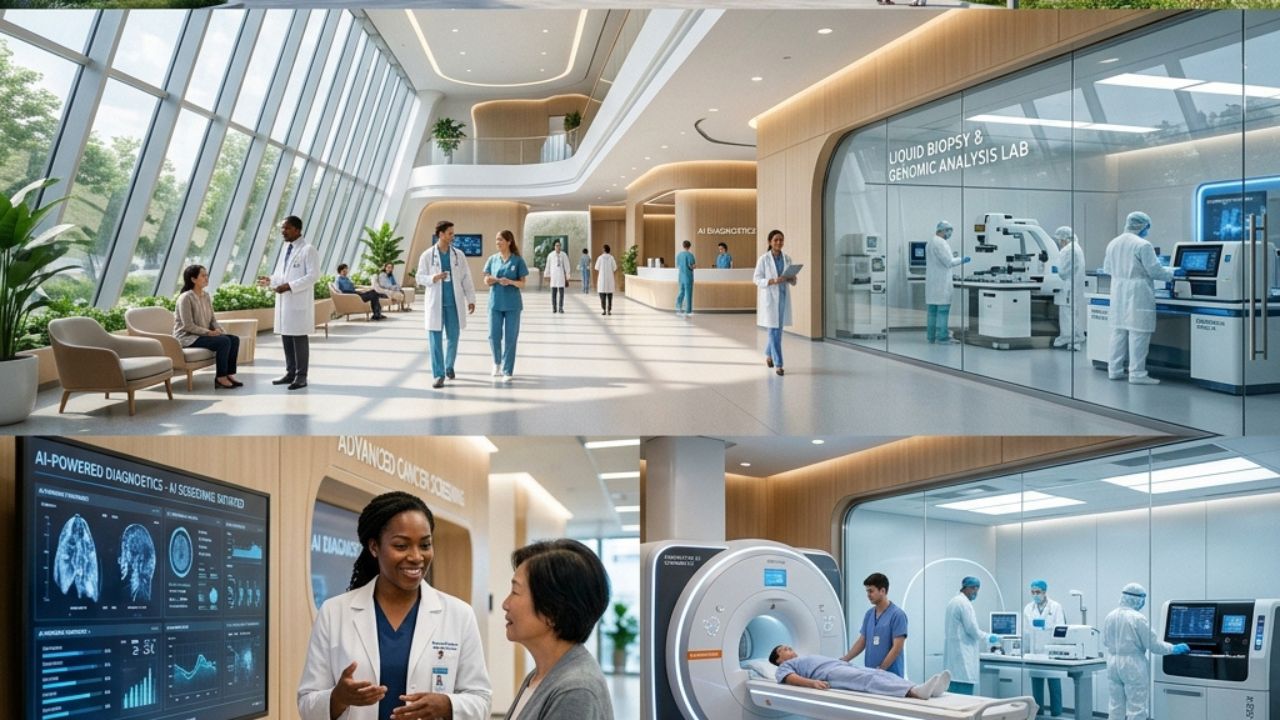
Detecting cancer early is one of the most effective ways to improve treatment outcomes and save lives. Medical science has made incredible strides in recent years, moving far beyond standard preventative checks. Advanced cancer screening technologies now offer unprecedented insights into human health, catching potential issues long before they develop into serious threats.
Choosing where to undergo these vital screenings can be a daunting decision. Not all medical facilities are equipped with the latest diagnostic tools or the specialized staff required to interpret complex results. By selecting a specialized hospital, patients gain access to a dedicated team of experts focused entirely on oncology.
This guide explores the leading institutions in the United States that offer advanced cancer screening. We will review the technologies they use, the criteria that set them apart, and what you can expect as you take proactive steps toward managing your health.
Criteria for Selecting the Best Hospitals
When evaluating healthcare facilities for advanced diagnostics, several critical factors come into play. Top-tier hospitals distinguish themselves through a combination of specialized knowledge and state-of-the-art resources.
Expertise and specialization in oncology
The best hospitals employ dedicated oncologists who focus on specific types of cancer. This deep specialization ensures that the medical staff understands the subtle nuances of early-stage disease markers, leading to more accurate diagnoses.
Availability of cutting-edge technology
Modern screening requires modern tools. Elite facilities invest heavily in the latest diagnostic machinery, ensuring patients have access to highly sensitive imaging and advanced laboratory techniques.
Multidisciplinary approach to patient care
Cancer screening often involves multiple medical disciplines. Leading hospitals use a collaborative model where oncologists, radiologists, genetic counselors, and primary care physicians work together to evaluate a patient’s comprehensive health profile.
Research and clinical trials
Hospitals associated with academic institutions or heavy research funding often lead the way in clinical trials. Patients at these facilities may gain access to breakthrough screening methods before they are widely available to the general public.
Patient outcomes and testimonials
A track record of success is a strong indicator of a hospital’s capability. High survival rates, positive patient experiences, and robust support systems are hallmarks of a premier medical institution.
Top Hospitals for Advanced Cancer Screening in the USA
Several hospitals in the United States consistently rank at the top for cancer care and screening. Here is a look at three leading institutions making significant impacts in the field.
MD Anderson Cancer Center
Located in Houston, Texas, MD Anderson is globally recognized for its exclusive focus on cancer care and research.
- Specializations and unique programs: They offer highly tailored screening programs based on individual risk factors, including specialized clinics for breast, lung, and gastrointestinal cancers.
- Key technologies offered: The center is a pioneer in implementing liquid biopsies and utilizing AI-powered diagnostics to detect microscopic cancer markers.
- Patient-centered care approach: MD Anderson provides a holistic care environment, ensuring that preventative screening is paired with comprehensive genetic counseling and lifestyle planning.
Memorial Sloan Kettering Cancer Center
Based in New York City, Memorial Sloan Kettering (MSK) has been at the forefront of cancer research for over a century.
- Focus areas and innovative treatments: MSK excels in screening for rare and complex cancers, leveraging its massive database of patient outcomes to inform diagnostic criteria.
- Research breakthroughs and clinical trials: Patients often benefit from MSK’s robust clinical trial program, which frequently tests next-generation screening tools.
- Collaborative care model: Their disease management teams ensure that every screening result is reviewed by a panel of experts, reducing the chance of misdiagnosis.
Mayo Clinic
With major campuses in Minnesota, Arizona, and Florida, the Mayo Clinic is renowned for its integrated patient care model.
- Renowned experts and leadership in oncology: The clinic attracts some of the world’s most distinguished oncologists and diagnosticians.
- Advanced imaging and genetic screening: Mayo Clinic utilizes state-of-the-art PET/CT scanners and offers extensive genomic testing to identify hereditary cancer risks.
- Support services for patients and families: They provide unparalleled support, guiding patients through the emotional and logistical challenges of advanced health screenings.
Understanding Advanced Screening Technologies
The landscape of cancer detection relies on several innovative technologies that offer a closer look at the body’s internal environment.
Liquid Biopsy: What it is and its benefits
A liquid biopsy is a simple blood test that detects cancer cells or DNA fragments circulating in the bloodstream. It is minimally invasive and can often identify signs of cancer much earlier than traditional imaging methods.
AI-Powered Diagnostics: Enhancing accuracy and speed
Artificial intelligence is transforming radiology and pathology. AI algorithms can quickly analyze thousands of medical images, spotting tiny abnormalities that the human eye might miss. This increases both the speed and accuracy of a diagnosis.
Genetic Testing: Identifying hereditary risks
By analyzing your DNA, genetic testing can identify specific mutations associated with a higher risk of developing certain cancers. This information empowers patients to undergo targeted screenings based on their genetic profile.
Advanced Imaging: PET/CT, MRI, and their applications
Modern imaging goes beyond the standard X-ray. Positron Emission Tomography (PET) combined with Computed Tomography (CT), as well as advanced Magnetic Resonance Imaging (MRI), provide highly detailed views of tissue metabolic activity, helping doctors pinpoint the exact location and nature of a tumor.
Preparing for Your Screening
Taking the step to undergo advanced cancer screening is empowering, but it helps to know what the process entails.
Consulting with a specialist
Your journey typically begins with a detailed consultation. A specialist will review your personal medical history, family background, and lifestyle factors to determine which specific tests are most appropriate for you.
What to expect during the screening process
While procedures vary, most modern screenings prioritize patient comfort. Blood draws for genetic testing or liquid biopsies take only minutes. Advanced imaging might require you to rest inside a scanner for a brief period, often with the guidance of a supportive radiology team.
Interpreting results and next steps
Once your screening is complete, your medical team will analyze the data. During a follow-up appointment, your doctor will explain the findings in clear terms. If everything is clear, they will recommend a schedule for future screenings. If abnormalities are found, they will immediately outline a proactive plan for further testing or treatment.
The Future of Cancer Screening
The horizon of cancer diagnostics looks incredibly promising. Emerging technologies continue to refine how we detect and understand this complex disease.
Emerging technologies and research
Researchers are currently developing multi-cancer early detection (MCED) tests, which aim to identify dozens of different cancer types from a single blood draw. Nanotechnology is also being explored as a way to detect cancer markers at the molecular level.
Personalized medicine and precision oncology
The future lies in personalized medicine. Rather than applying a one-size-fits-all screening protocol, doctors are increasingly using a patient’s unique genetic code to dictate highly customized monitoring strategies, maximizing early detection while minimizing unnecessary procedures.
Taking Charge of Your Health
Advanced cancer screening represents a massive shift from reactive medical treatment to proactive health management. By leveraging cutting-edge tools like liquid biopsies, AI diagnostics, and advanced imaging, medical professionals can detect abnormalities at their most treatable stages.
Choosing the right hospital is a crucial part of this process. Institutions like MD Anderson, Memorial Sloan Kettering, and the Mayo Clinic provide the expertise and technology necessary for highly accurate assessments.
If you have a family history of cancer or are simply looking to take a proactive stance on your health, consider reaching out to a specialized oncology center. Scheduling a consultation is the first vital step toward securing peace of mind and protecting your long-term well-being.