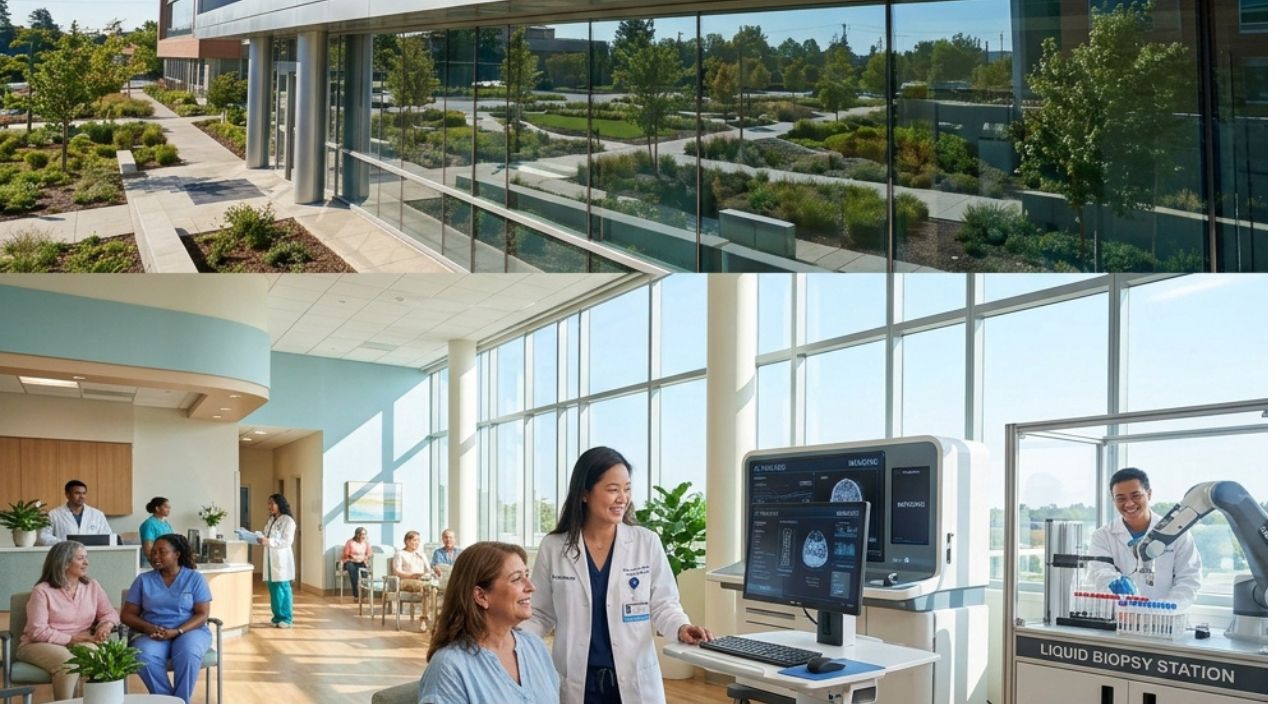
Early detection remains one of the most powerful tools in the fight against cancer. Finding anomalies before symptoms appear often means more treatment options, less aggressive therapies, and significantly higher survival rates. Routine checks like mammograms and colonoscopies are essential, but medical science has pushed the boundaries of what is possible.
Advanced cancer screening represents the next frontier in proactive healthcare. Technologies such as liquid biopsies, artificial intelligence-powered imaging, and comprehensive genomic profiling can now identify microscopic signs of disease long before a traditional scan would catch them. These breakthroughs offer unprecedented insights into individual risk factors and the presence of cellular abnormalities.
However, accessing these state-of-the-art diagnostics requires visiting specialized medical centers. Local clinics provide excellent foundational care, yet they often lack the infrastructure to support cutting-edge genetic testing or AI diagnostics. Specialized hospitals invest heavily in the latest equipment and employ multidisciplinary teams trained to interpret highly complex data.
Choosing where to undergo these evaluations is a major decision. The institutions leading the charge in oncology do not just run tests; they provide context, counseling, and immediate action plans. This guide will explore the criteria for selecting a premier medical center and highlight the top hospitals in the United States offering advanced cancer screening.
Criteria for Selecting the Best Hospitals
Not all healthcare facilities are equipped to offer advanced cancer screening. When evaluating where to schedule a comprehensive evaluation, several key factors separate standard care from world-class oncology programs.
Expertise and Specialization in Oncology
The foundation of any top-tier screening program is the medical staff. Leading hospitals employ oncologists, radiologists, and genetic counselors who specialize exclusively in cancer detection. These professionals spend their entire careers analyzing cellular behavior and tumor markers. Their focused expertise allows them to spot subtle warning signs that a general practitioner might miss.
Availability of Cutting-Edge Technology
Medical technology evolves rapidly. The best hospitals continually update their diagnostic equipment to ensure patients receive the most accurate results. This includes high-resolution molecular imaging, multi-cancer early detection (MCED) blood tests, and AI-assisted radiology software that highlights microscopic irregularities on scans. Access to this level of technology directly correlates with the ability to detect cancer at stage zero or stage one.
Multidisciplinary Approach to Patient Care
Cancer screening is rarely a straightforward process. If a test returns an abnormal result, the next steps require careful coordination. Premier hospitals utilize a multidisciplinary model, meaning specialists from various fields collaborate on a single patient’s case. Radiologists, pathologists, geneticists, and oncologists meet to discuss complex findings, ensuring that any subsequent diagnostic or treatment plan is comprehensive and well-rounded.
Research and Clinical Trials
Institutions that conduct their own research are typically the first to offer new screening methods. Hospitals heavily involved in clinical trials provide patients with access to experimental diagnostics years before they become available to the general public. A strong research background also indicates that the hospital’s staff is actively engaged in pushing the boundaries of medical science.
Patient Outcomes and Testimonials
Statistics and patient experiences provide a clear picture of a hospital’s effectiveness. High survival rates for early-stage diagnoses indicate a robust screening and intervention program. Furthermore, patient testimonials offer insights into the hospital’s bedside manner, administrative efficiency, and the level of emotional support provided during what can be a highly stressful experience.
Top Hospitals for Advanced Cancer Screening in the USA
Based on the criteria above, several institutions consistently rank at the top of national oncology lists. These hospitals represent the gold standard for preventative care and early detection.
MD Anderson Cancer Center (Houston, Texas)
The University of Texas MD Anderson Cancer Center is globally recognized as a premier destination for cancer care. Their approach to screening is highly personalized, focusing heavily on a patient’s family history and genetic predispositions.
Specializations and Unique Programs
MD Anderson runs a dedicated Clinical Cancer Genetics program. This initiative helps individuals understand their inherited risk for various cancers. Patients undergo rigorous genetic counseling to determine which specific advanced screenings are necessary, avoiding a one-size-fits-all approach.
Key Technologies Offered
The hospital is at the forefront of implementing liquid biopsy technology. These simple blood draws check for circulating tumor DNA (ctDNA) shed by tumors into the bloodstream. Additionally, MD Anderson utilizes AI-powered diagnostic imaging to enhance the accuracy of MRIs and CT scans, reducing false positives and unnecessary biopsies.
Patient-Centered Care Approach
Understanding that the screening process can induce severe anxiety, MD Anderson provides comprehensive psychological support. Social workers and counselors are integrated into the screening teams to help patients manage the emotional weight of genetic testing and potential diagnoses.
Memorial Sloan Kettering Cancer Center (New York, New York)
Memorial Sloan Kettering (MSK) has been entirely dedicated to cancer research and patient care for over 130 years. Their screening programs are deeply integrated with their world-class research laboratories.
Focus Areas and Innovative Treatments
MSK excels in high-risk screening programs, particularly for individuals with a heavy family history of breast, ovarian, and pancreatic cancers. They offer specialized surveillance protocols that involve alternating MRI and ultrasound imaging for high-risk patients, ensuring constant and accurate monitoring.
Research Breakthroughs and Clinical Trials
Patients at MSK often have the opportunity to participate in clinical trials for new early-detection tools. The hospital was instrumental in early trials for multi-cancer blood tests, which aim to detect over 50 types of cancer from a single draw. Their continuous research means their screening protocols are always evolving based on the latest scientific evidence.
Collaborative Care Model
At MSK, diagnostic findings are reviewed by disease-management teams. If a screening detects an abnormality, the patient’s file is immediately routed to a team of specialists dedicated solely to that specific type of cancer. This seamless transition from screening to diagnosis ensures no time is lost.
Mayo Clinic (Rochester, Minnesota)
The Mayo Clinic is synonymous with diagnostic excellence. Their collaborative, integrated approach to medicine makes them an ideal location for complex screenings that require input from multiple medical disciplines.
Renowned Experts and Leadership
The Mayo Clinic attracts some of the sharpest medical minds in the world. Their radiologists are sub-specialized, meaning a patient’s lung scan is read by a doctor who only reads lung scans. This intense specialization drastically reduces the margin of error during routine and advanced screenings.
Key Technologies Offered
Mayo Clinic utilizes advanced molecular breast imaging (MBI) for patients with dense breast tissue, a demographic that traditional mammograms often fail to serve adequately. They also heavily utilize advanced endoscopic techniques to detect precancerous changes in the gastrointestinal tract with incredible precision.
Patient-Centered Care Approach
The clinic operates on a highly efficient schedule. Patients traveling from out of state can often have their consultations, advanced screenings, and follow-up discussions completed within a few days. This streamlined process minimizes the agonizing wait times typically associated with medical test results.
Dana-Farber Cancer Institute (Boston, Massachusetts)
Affiliated with Harvard Medical School, Dana-Farber offers an incredibly academic and research-driven approach to cancer screening.
Specializations and Unique Programs
Dana-Farber is home to the Center for Cancer Genetics and Prevention. They focus heavily on hereditary cancer syndromes like Lynch syndrome and BRCA mutations. Their screening protocols are custom-tailored for patients carrying these specific genetic markers.
Research Breakthroughs and Clinical Trials
Because of its deep ties to Harvard, Dana-Farber provides access to some of the most exclusive clinical trials in the country. Their researchers are heavily focused on identifying new biomarkers that can signal the presence of cancer years before a tumor forms.
Collaborative Care Model
Dana-Farber works closely with Brigham and Women’s Hospital to provide comprehensive care. This partnership ensures that patients undergoing advanced screening have immediate access to world-class surgical and oncological interventions if a positive diagnosis occurs.
Frequently Asked Questions
What is a liquid biopsy?
A liquid biopsy is a non-invasive blood test designed to detect cancer. It looks for pieces of DNA or cells that tumors release into the bloodstream. While not a replacement for traditional biopsies, it is a powerful tool for early detection and monitoring.
Are advanced cancer screenings covered by insurance?
Coverage varies widely depending on your provider, your medical history, and the specific test. Standard screenings like mammograms are generally covered. Advanced tests, especially newer genetic panels or MCED blood tests, may require out-of-pocket payment unless you have a documented high risk. Always consult with the hospital’s billing department and your insurance company prior to testing.
Who should consider advanced cancer screening?
Individuals with a strong family history of cancer, those with known genetic mutations (like BRCA1 or BRCA2), or individuals who have previously been treated for cancer are prime candidates. However, even people with average risk may choose to undergo advanced testing for peace of mind.
How do I request an appointment at a specialized cancer hospital?
Most major cancer centers allow you to request an appointment directly through their websites or via a dedicated phone line. You will typically need to provide your medical records and a referral from your primary care physician to ensure the center’s specialized teams are the right fit for your needs.
Taking the Next Step for Your Health
Staying proactive about your health is the most effective way to navigate the complexities of cancer risk. Advanced screening technologies have transformed a once-reactive medical field into a highly predictive science. By identifying risks at the molecular level, patients now have the power to intervene before a disease takes hold.
If you have a family history of disease or simply want the most comprehensive evaluation available, consider reaching out to one of the leading medical centers listed above. Discuss your options with your primary care physician, gather your medical records, and advocate for the level of care you deserve. Knowledge is power, and when it comes to your health, early knowledge is life-saving.